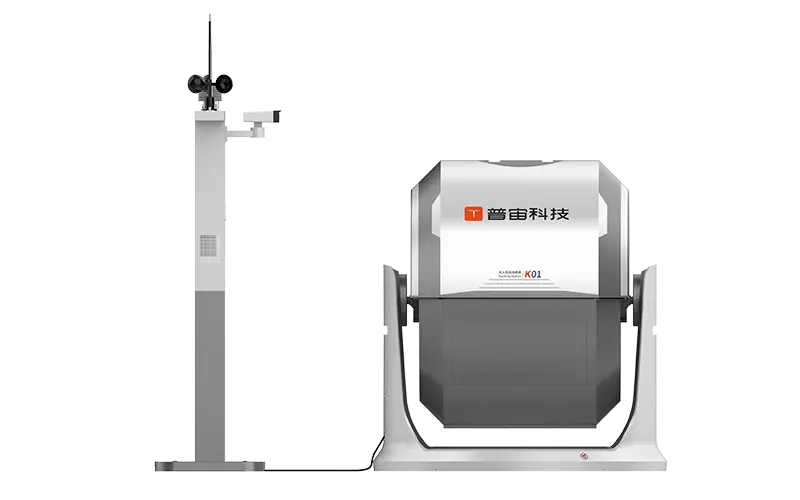
 GDU
GDU
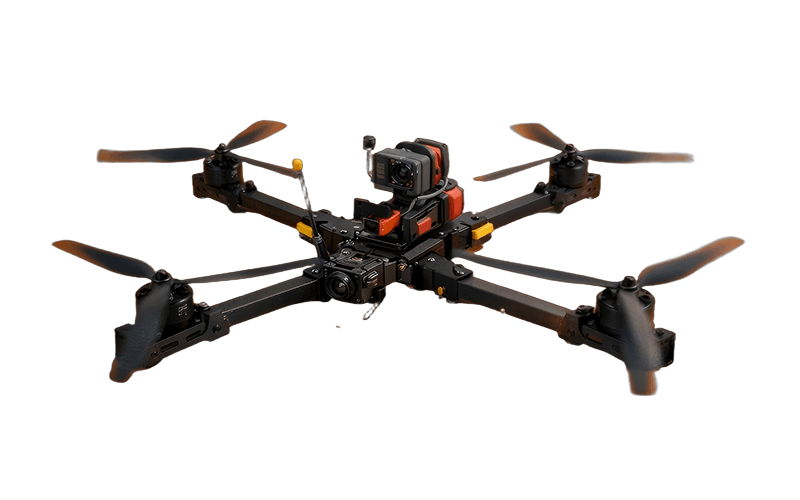 UUUFLY
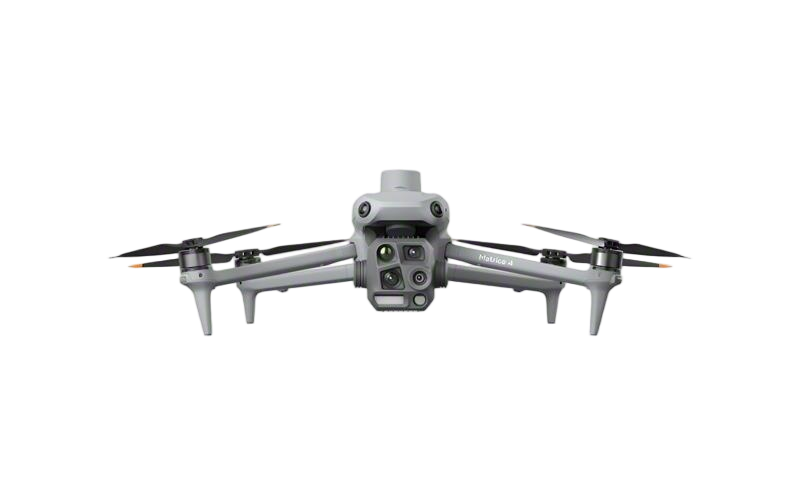 DJI
DJI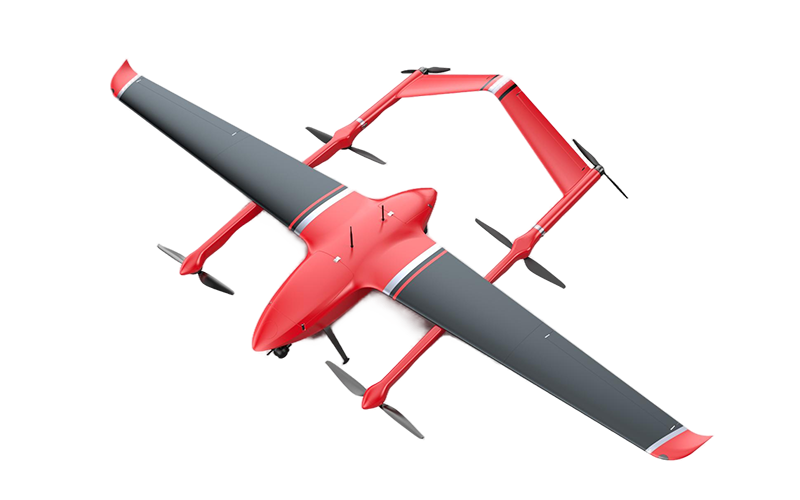 MMC
MMC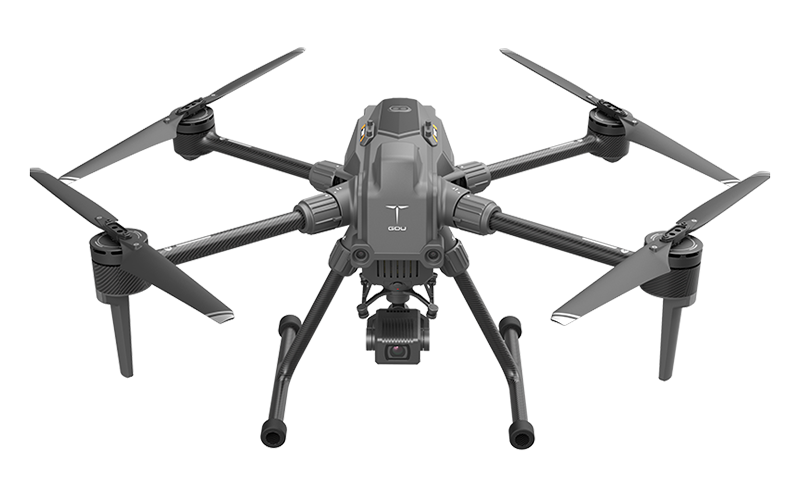 GDU
GDU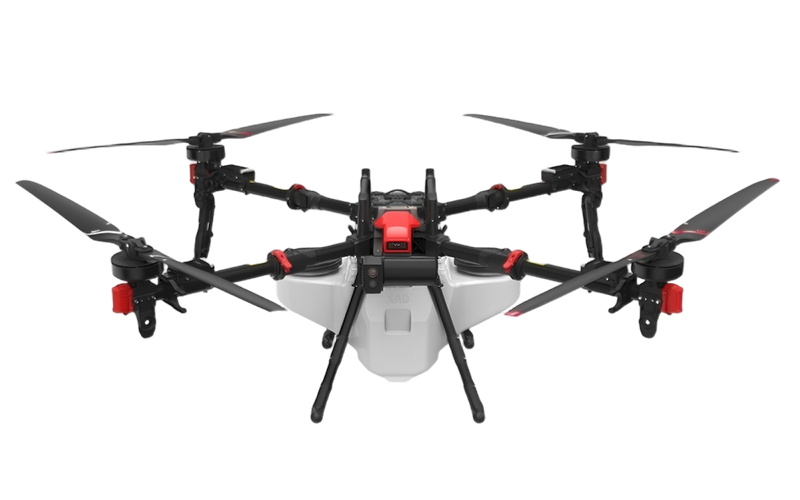 XAG
XAG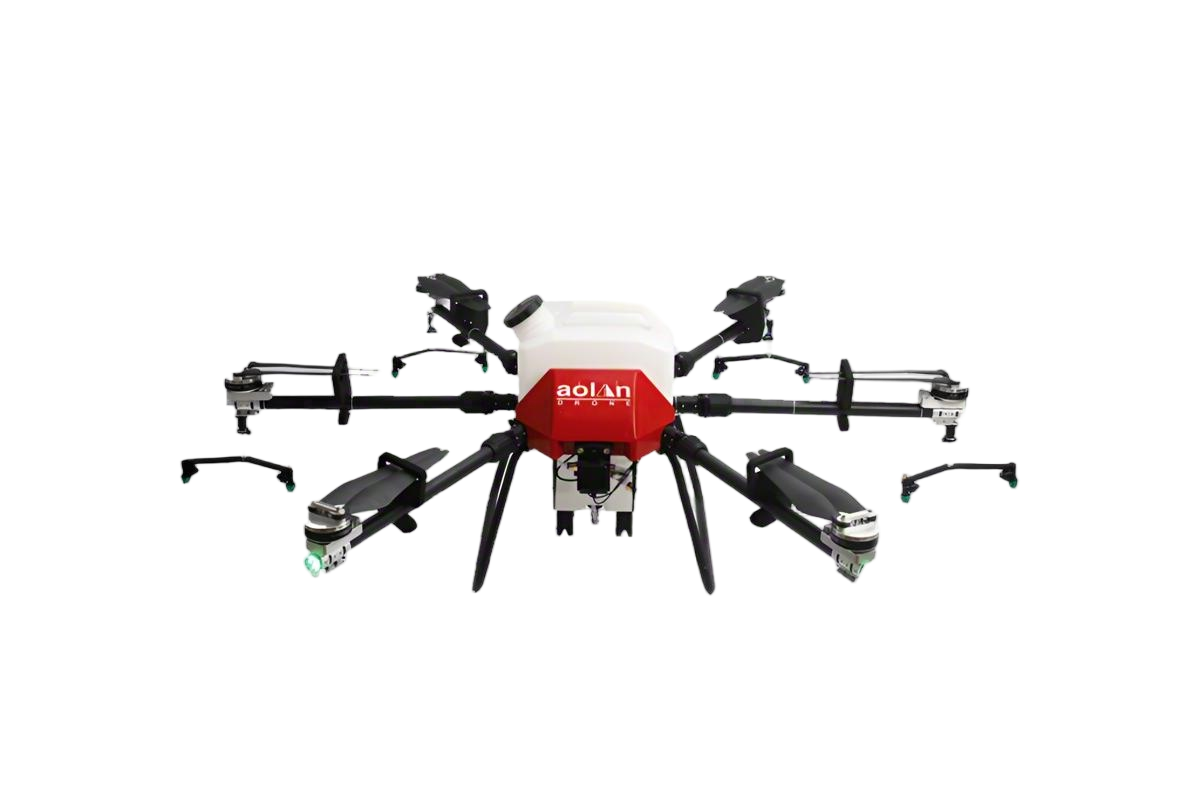 AOLAN
AOLAN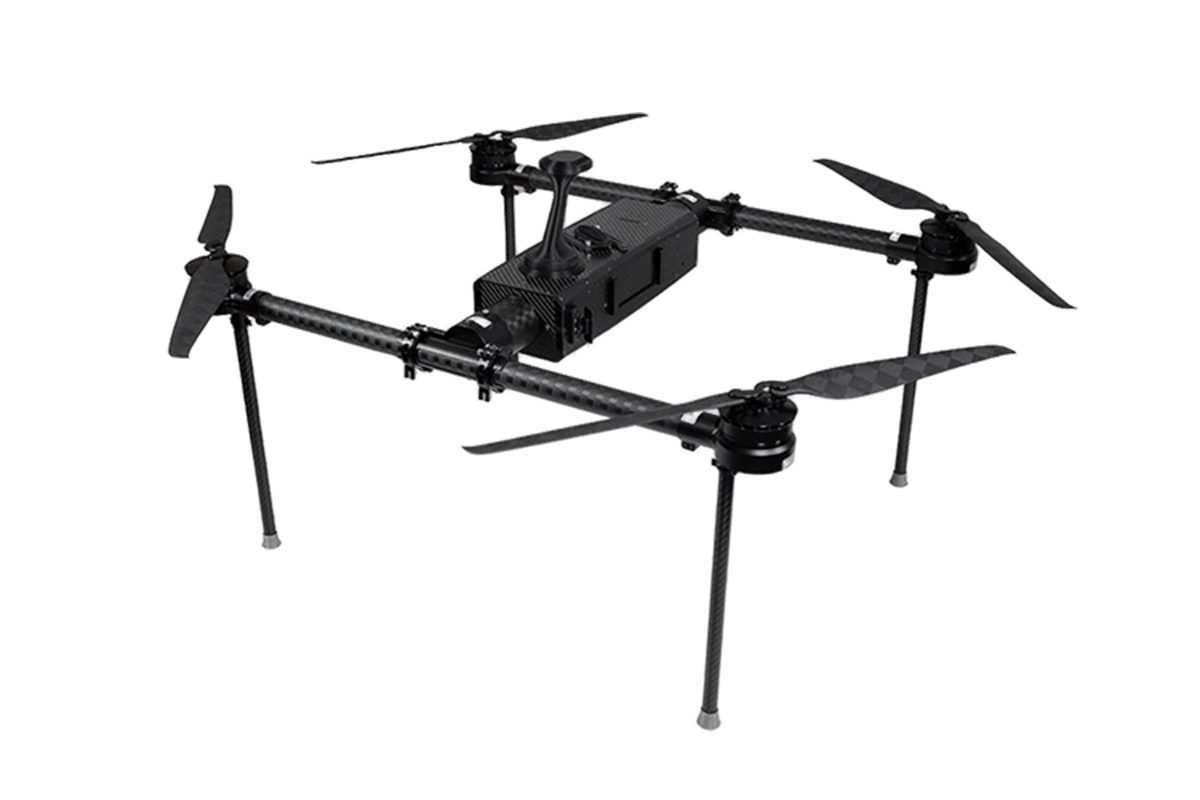 KEEL
KEEL SKY NEXT
- DJI Matrice-4T
- DJI Matrice 4E Drone
- DJI Matrice 4TD
- DJI Matrice 30T
- DJI Mavic 3 Emterprise
- DJI Mavic 3M Multispectral Drone
- DJI RC 2 Plus Industry Plus
- DJI Matrice 4 Series Battery
- DJI Matrice 4D Series Batteries
- TB65 Intelligent Flight Battery
- TB100 Smart Flight Battery
- WB37 Battery
- DJI Accessories

Farming drones are really shaking things up in China's agriculture scene. I mean, these high-tech gadgets are helping farmers get more done in less time, boosting both efficiency and output. Over the past few years, we've seen a bunch of companies popping up, each offering pretty innovative solutions tailored to different farming needs.
From keeping tabs on crops to spraying pesticides precisely where it’s needed, the range of drone applications is pretty impressive. Companies like DJI and XAG are pretty much leading the pack with their top-notch tech and reliable designs. But hey, for someone outside China trying to pick the right drone, it can get pretty overwhelming. With so many options out there, understanding the features, prices, and support services becomes really important — otherwise, it’s easy to get lost.
Plus, there's the question of accessibility and how well these technologies actually fit into different regions. Not every part of China has the same level of tech adoption, and farmers might also need some training to really make the most of these tools. As we look at the top ten farming drones available in China, it’s worth keeping these things in mind. Finding that sweet spot between high-tech features and ease of use is key to making farming not just more efficient, but also more enjoyable and practical overall.

Overview of Drones in the Chinese Agriculture Sector
In recent years, the use of drones in China's agriculture sector has gained significant traction. These aerial machines offer precise monitoring of crops, enabling farmers to make informed decisions. The ability to gather real-time data on soil health and growth conditions has transformed traditional farming practices.
Drones facilitate efficient resource management, which is crucial given China's vast agricultural landscape.
However, there are challenges in adopting this technology. Many farmers lack the necessary training to operate drones effectively. There’s also a steep learning curve associated with interpreting the data collected. Furthermore, integration with existing farming methods can be complicated. Not every farmer has access to the latest technology, creating a digital divide in rural areas.
Despite these hurdles, the potential benefits are immense. Drones can cover large areas quickly, reducing labor costs. They can also assist in precision agriculture, which enhances yield and sustainability. While the journey is still ongoing, many in the industry recognize the promise of drones. The key lies in ensuring all farmers can access and utilize this innovative technology efficiently.
Revolutionizing Large-Scale Farming: The Benefits of Advanced Durable Alloy AL4-30 Agriculture Sprayer Drones
The integration of advanced durable alloys in agricultural technology marks a significant leap forward for large-scale farming operations. The AL4-30 Agriculture Sprayer Drone, crafted from professional-grade carbon fiber and advanced alloys, exemplifies this innovation. With its lightweight yet robust design, the drone enhances efficiency in smart farmland spraying and pest control. Research indicates that the use of drones in agriculture can increase crop yields by up to 20%, while also significantly reducing labor costs by automating tasks that once required extensive manpower.
One of the major benefits of the AL4-30 is its ability to cover large areas in a fraction of the time it would take traditional sprayers. According to the Agricultural Drones Market Report, the adoption of drone technology can lead to time savings of 90% in pesticide application compared to manual spraying methods. The precision and intelligence built into these drones allow for targeted applications, minimizing chemical run-off and promoting sustainable farming practices. This not only safeguards the environment but also contributes to the health and safety of food production.
Furthermore, the durability of the materials used in the AL4-30 drone ensures longevity and resilience against harsh agricultural conditions. Data shows that drones can operate effectively in various terrains and weather scenarios, providing farmers with reliable tools all year round. The increased adaptability of advanced durable alloys offers farmers the peace of mind that their investment will withstand the rigors of outdoor use and continue to deliver results season after season.

FAQS
: Payload capacity is crucial. Higher payloads carry more fertilizers or pesticides, improving crop management efficiency.
Longer battery life means covering larger areas without needing frequent charges, maximizing productivity for farmers.
Accurate mapping identifies problem areas in fields. This helps farmers focus on specific sections that need attention.
Buyers must consider their needs versus the drone features. Advanced systems can be expensive with hidden costs included.
No, some budget options may lack durability or good customer support. Research and reviews are vital before purchasing.
AI and machine learning allow for better data analysis. This leads to improved decision-making and resource allocation.
Autonomy is on the rise. Drones are becoming user-friendly with automation for tasks like planting and monitoring.
Effective use of drone technology requires knowledge of operation and maintenance to maximize harvest potential.
Different regions have varying laws on drone use. Staying informed on regulations is crucial for safe agricultural practices.
Understanding equipment nuances and ensuring proper maintenance are key to successful integration and maximizing yield benefits.
Conclusion
This article provides a comprehensive guide for global buyers interested in farming drones within the Chinese agricultural sector. It begins with an overview of the role of drones in modern agriculture, emphasizing their importance in enhancing productivity and efficiency on farms. Key features to consider when selecting a farming drone are outlined, helping buyers make informed choices.
The article also lists the top 10 farming drones available in China, offering detailed reviews of each, including their specifications and performance metrics. A pricing comparison facilitates budget considerations, while insights into regulatory requirements for importing drones into different countries ensure compliance. Finally, the article explores future trends and innovations in agricultural drone technology, highlighting the ongoing advancements that promise to transform farming practices globally.
Related Posts
-

How to Choose the Best Agri Drones for Your Farming Needs?
-

2026 Top Farming Drones What You Need to Know?
-

Farming Drones Tips for Boosting Your Crop Yields?
-

Top Agriculture UAV Trends for 2026 What You Need to Know?
-

Top Agri Drone Tips for Effective Smart Farming?
-

Top Benefits of Agriculture UAVs for Modern Farming Practices
